Rare Earth

Why did the dying empire illegally cross the boundary of a sovereign nation?
To stop narcoterrorism. To liberate oppressed dissidents. To topple Communism. To eradicate radical Islamism. To preserve the Western way of life. To reunify the lands of a single people. To present the rise of a rival currency. To annex territory. To grab oil reserves.
To make sure that it was still an empire?
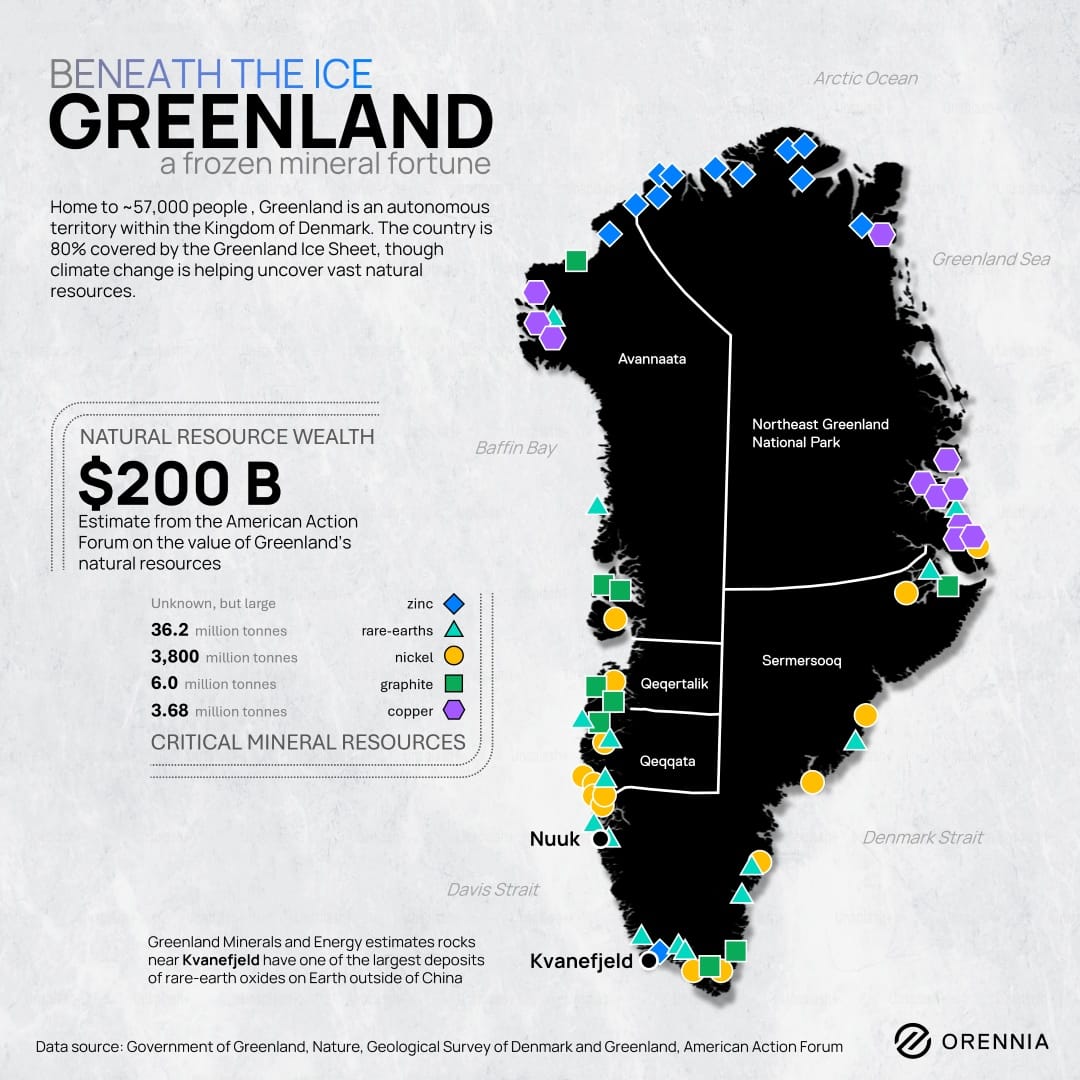
Or to obtain rare earth minerals, as the functionaries of the current regime controlling the United States of America declares for Greenland, and for Venezuela (when they are not stating other equally plausible and not mutually exclusive).
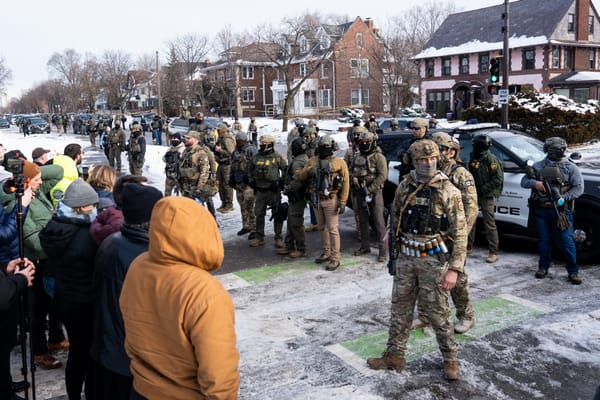
The United States illegally invaded Venezuela, removed its head of state, and now is blocking the favorite exiled politician from the sort of supposedly rightful power establishment that neoliberal authorities from the Nobel Prize Committee to Anne Applebaum have wistfully endorsed. Why? The initial Trumpian straight-from-the-1980s-movies line was that a terrorist narcotics cabal sponsored by the government threatened the US and its homeland.
Yet since the invasion in January it has become clear that there are other motives. One is the dubious unilateralism envisioned by Secretary of State Marco Rubio, whose Cold War Cuban exile grievances re-enact the most pernicious of Henry Kissinger’s ideas about the US right to police the political dispositions of Western Hemisphere nations. Certainly Rubio and Trump see the world as a set of unified spheres allowed their own wills to power and domination, and together have decimated the old US preaching about rightful application of international law. The duo has quelled the neoconservative “End of History” with a foreign policy mirroring the autocratic, sovereignty-ignoring plays of India, China, Israel, Russia and the United Arab Emirates.
History is back, baby. With surgical strikes, genocide, stolen territory and the threat of nuclear war.
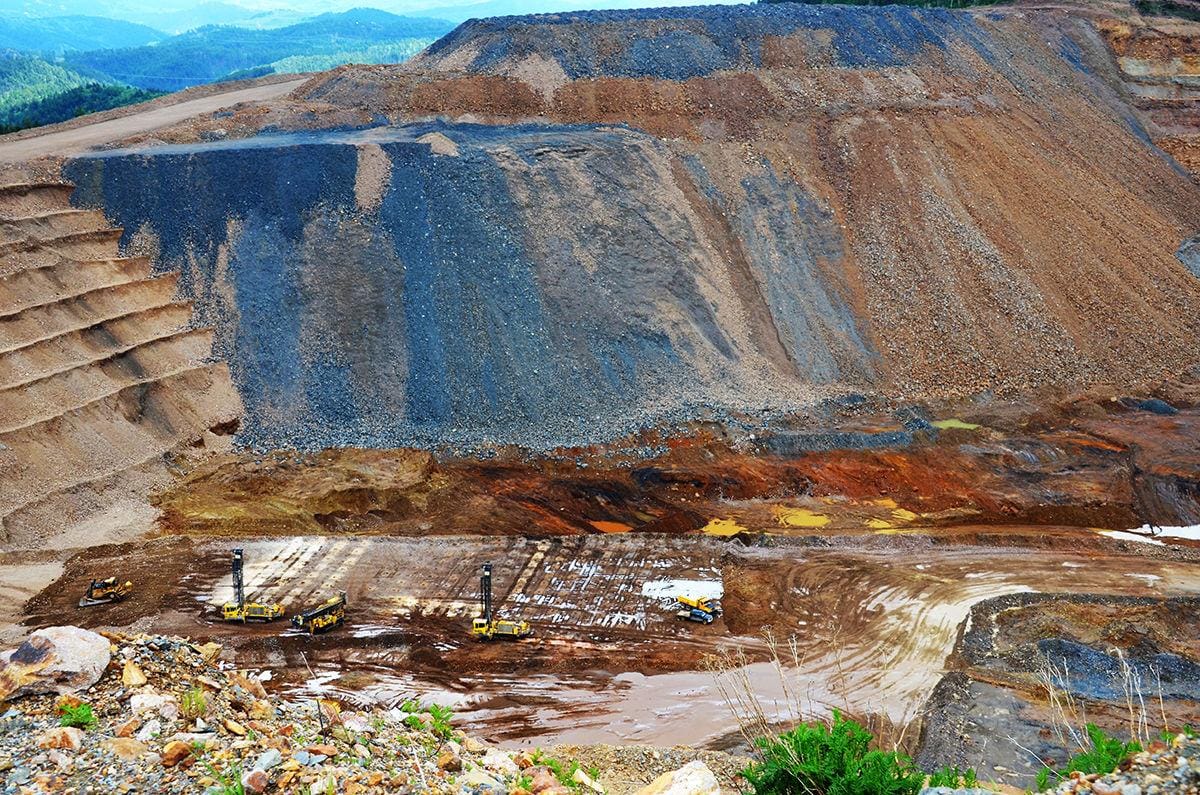
Trump’s aim for Venezuela is not simply ideologically imperialist, because Trump rarely uses authoritarian ideological discourses for their own sake. Behind every terrifying threat and odious rant lies a nest of venal materialist interests. In Venezuela, there is oil, of course. Yet there also are the rare earth minerals: bauxite, coltan, gold, titanium, rhodium, nickel and cassiterite. If imperialism is usually the strategy and colonialism is inexorably the tactic, extraction is nearly always the root of organizing territory.
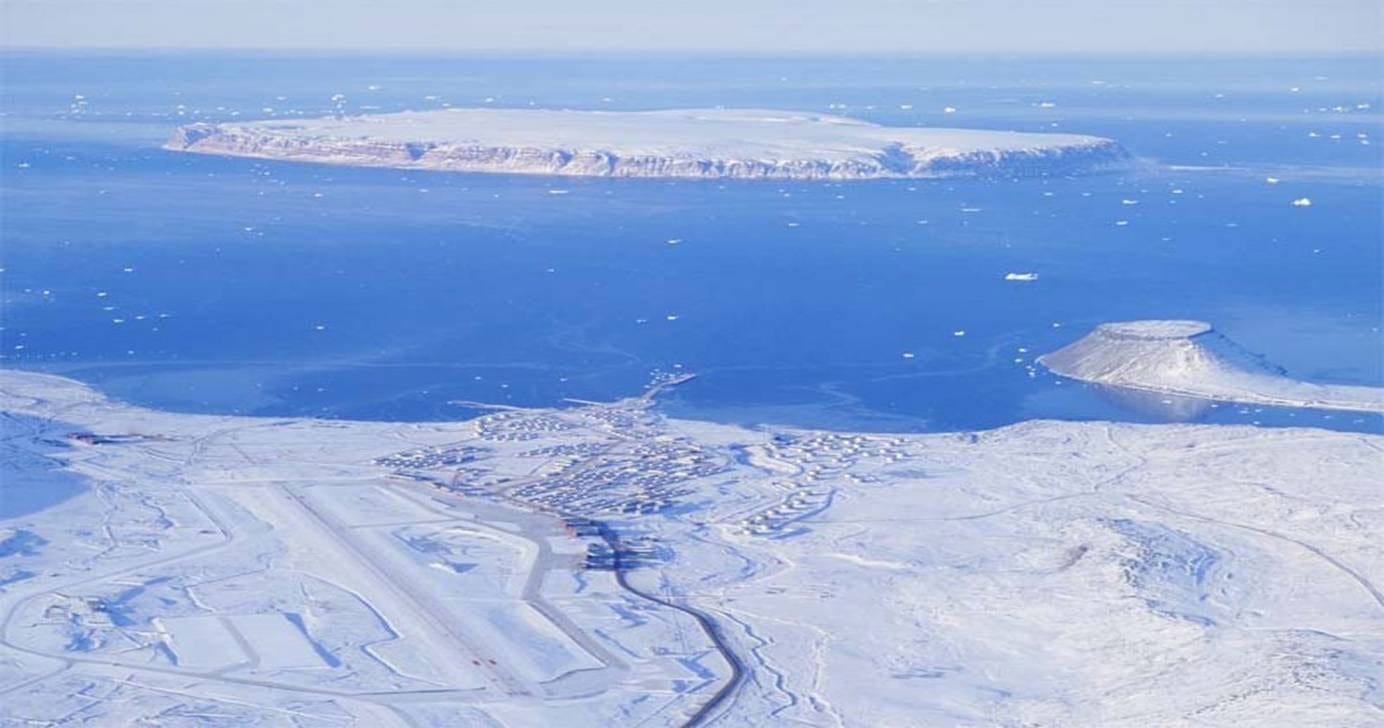
In Cold War 2.0, the unleashed and lawless US will break its dependence from Chinese sources of rare earth by colonizing nations like Venezuela and territories like Greenland. Rubio’s rhetoric develops the script that such moves are vital to national security, and the MAGA discourse around race and belonging continues to continue to build a sense of belonging to the nation-state project among ordinary Americans. Yet the rare earth will divert into the clutches of tech oligarchs, who will offload its accumulated surplus before returning the goods made with the minerals into the imperialism engine.
Peter Thiel already has propelled the techno-fantasy of a an American-colonized Greenland, through his project “Praxis,” which aims to build new nations dependent on cryptocurrency schemes inside of colonized nations stripped of any ability to resist. Thiel’s Praxis collaborator Dryden Brown professes that Greenland will be the perfect setting for a “mythical city in the North,” a new site of capital-making whose physical setting will be the byproduct of extraction. Brown claims that extracting rare earth minerals will allow for “terraforming” the site for the new Greenland metropolis, so that the spoiled land will give rise to new land ready to be spoiled again.
Global “terraforming” already is the course set by Trump’s fake-nationalist regime. Rare earth minerals will allow more AI-driven cluster bombs like those used in Gaza, more Palantir facial recognition and criminal intent prediction apps and a whole host of technologies that will maintain and expand the empire’s geographies while simultaneously neutralizing or controlling the ever-growing masses of people caught in the boundaries. Tariffs allow the government to shit the cost of the enterprise onto the backs of workers and the poor, while simultaneously extending the pretense that America is a great nation wronged by the world – victimhood recuperating angry and broke Americans’ political will back into their own vassal status.
Meanwhile many aren’t realizing that the nation state, the supposed anchor of the project, is dissolving as any real social compact. The fascist tech oligarchs like Thiel and Alex Karp live transnationally, with wealth great enough to function as potentates of independent city-states – as they are treated by actual heads of state especially Trump. They won’t pay taxes back into the United States because they are both inside and outside of its political systems. The state must extract its finances from the fools still bound to the semblance of citizenship, which the fascist nation-purifiers promise is now more special as immigrants are redistributed out of site (but not necessarily out of empire – resettlement to willing client states and concentration camps await).
Two points on the madness of extraction:
Commodity fetishism. Rare earth minerals induce opportunities to hyperaccumulate so long as markets can sustain inflated value. Remember, there are no markets without states – so the shapes of empires like the envisioned United States of Trump matter to even the most transnational players trying to leach the wealth out of an ounce of nickel.
Take radium, more widely associated with European colonialism than American internal extractivism. By 1921, a single gram of radium was worth $120,000, or $2.2 million today. Marie Curie may have mapped some of its beneficial medical uses, but most of the industry that grew up around radium developed a specious array of processed goods that boosted the commodity value while poisoning the earth. Radium medicines killed or poisoned hundreds. Radium paints marketed for glow-in-the-dark illumination in smoky factories or outdoor railyards professed safety yet spread radioactive isotopes across the entire nation, from walls to clocks to human hands and arms.
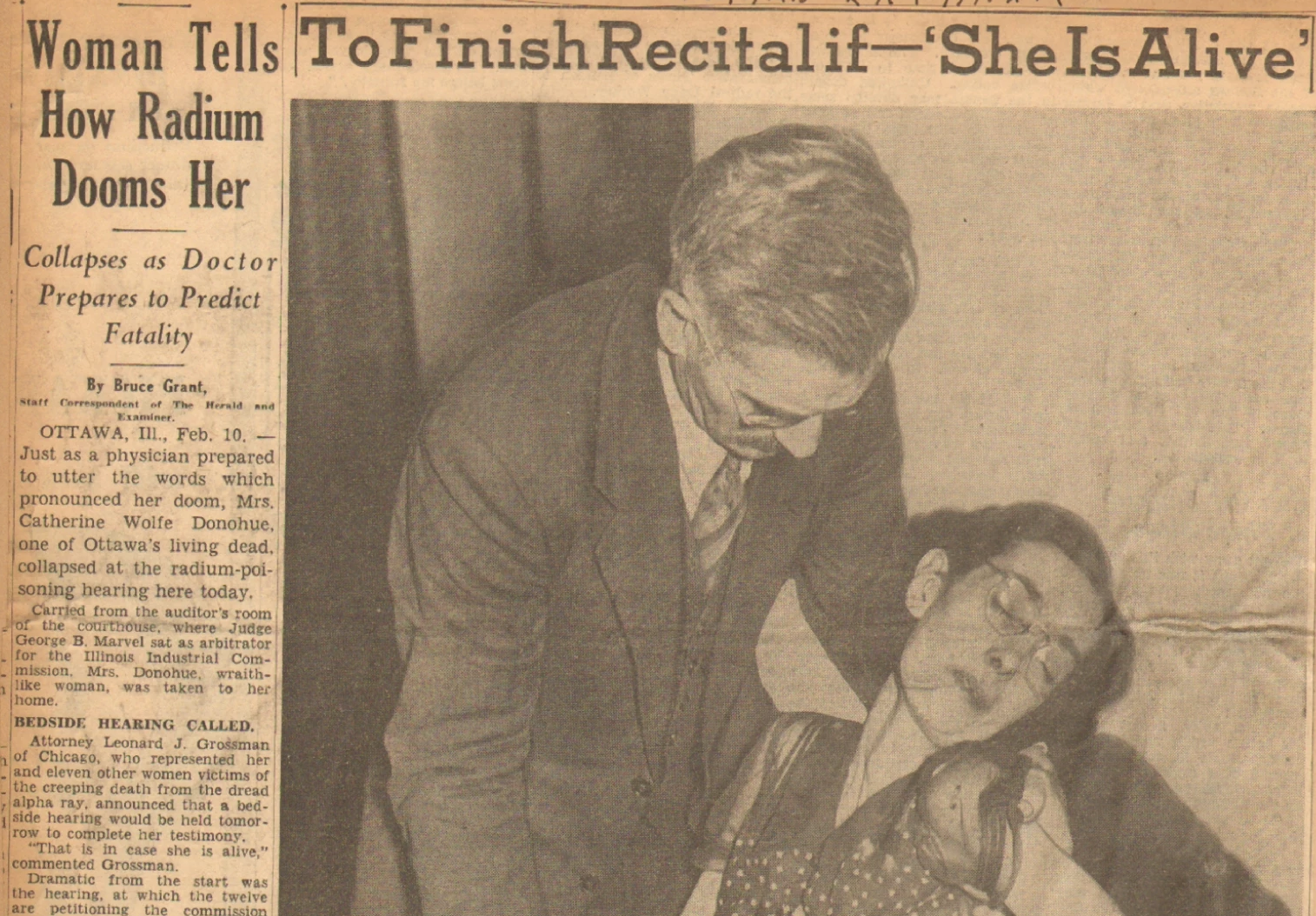
The female laborers who lip-pointed their brushes to create illuminated clock and watch dials are most famous as the Radium Girls. Their malevolent supervisors knowingly sent these workers into agonizing spirals of cancers and death – thingification (per Aimé Césaire) once more. One figure in the early twentieth century radium business was Joseph Kelly, who served as an executive at a radium processing plant in Canonsburg, Pennsylvania before operating a series of watch and clock works in Ottawa, Illinois. Kelly is one of those historic agents who organize the peripheries in service to capital-formation that decimates landscapes near and far, and through contamination, render invisible lines within the “near” places around their zones of interest.
Kelly married into the Flannery family which began operating the Standard Chemical Company of Pittsburgh in 1911. In the early 1900s, Joseph and James T. Flannery began mining vanadium in Peru for its steel alloy capacity, demonstrating that the rare-earth footprint of America is nothing new (and virtually nothing under Trump is anything but the most venal recycling of older capitalist tropes). When their sister came down with cancer in 1909, supposedly, the brothers learned of radium treatments in Europe and began seeking a cure. Their “cure” became a lucrative and deadly enterprise whose geographic footprint would span several US states and South America.
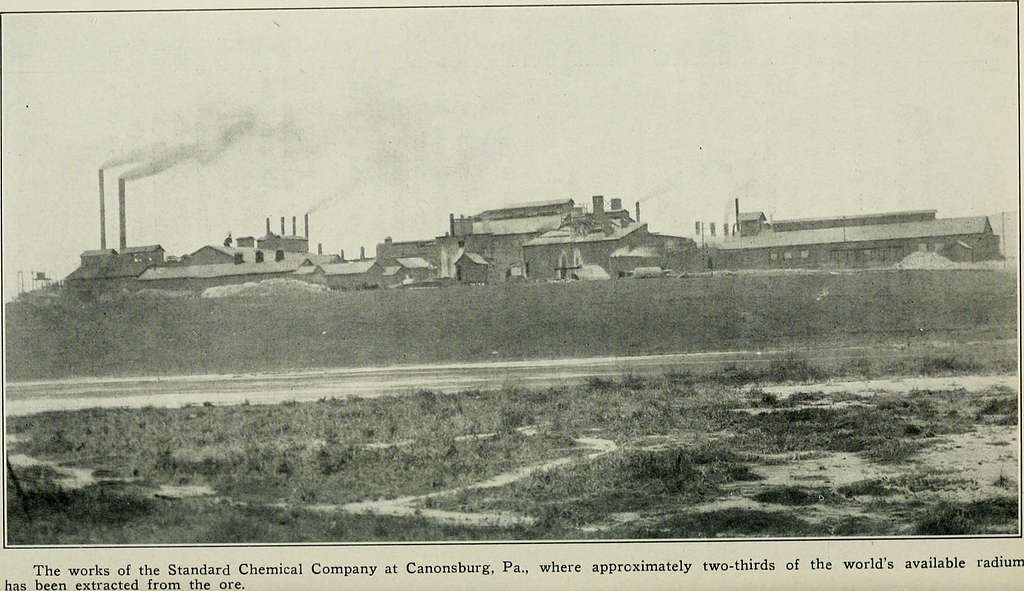
Standard Chemical Company (SCC) became the first company in the world to extract radium-containing ore and process it into a commodifiable product. While the Belgian Union Minière du Haut Katanga began operating in the Congo in 1906, it would not extract radium for another 15 years. Meanwhile, the American SCC already began working with ore from Colorado’s Paradox Valley as early as 1911. SCC’s founders already had exploited vanadium mines in Peru to bring vanadium to the Pittsburgh steel industry, so South America as an arena of American rare earth mineral extraction is a repeat not a revelation.
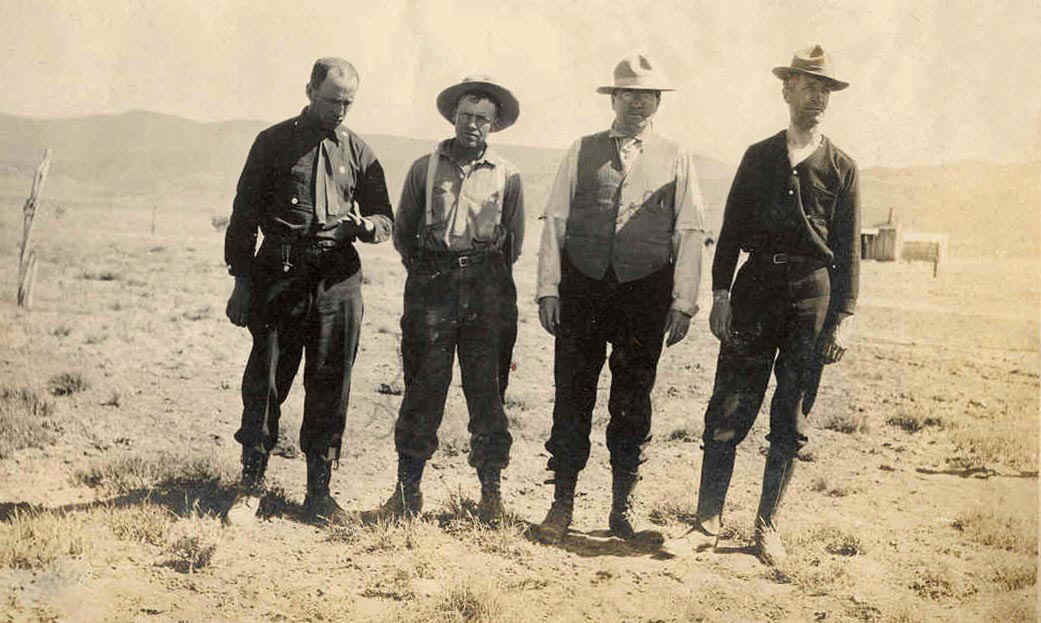
SCC purchased a Colorado mine already conditioned by previous gold extraction, led in the 1870s by the St. Louis-based Montrose Placer Mining Company. That company diverted the channel of the San Migel River to provide a source of water for refining. SCC seized on the 1898 discover of the uranium-containing ore carnotite (55% uranium), and began extracting and first-stage milling on site in 1911. The refined product still was not prepared for marketable use, and came back to Pittsburgh for the next phases.
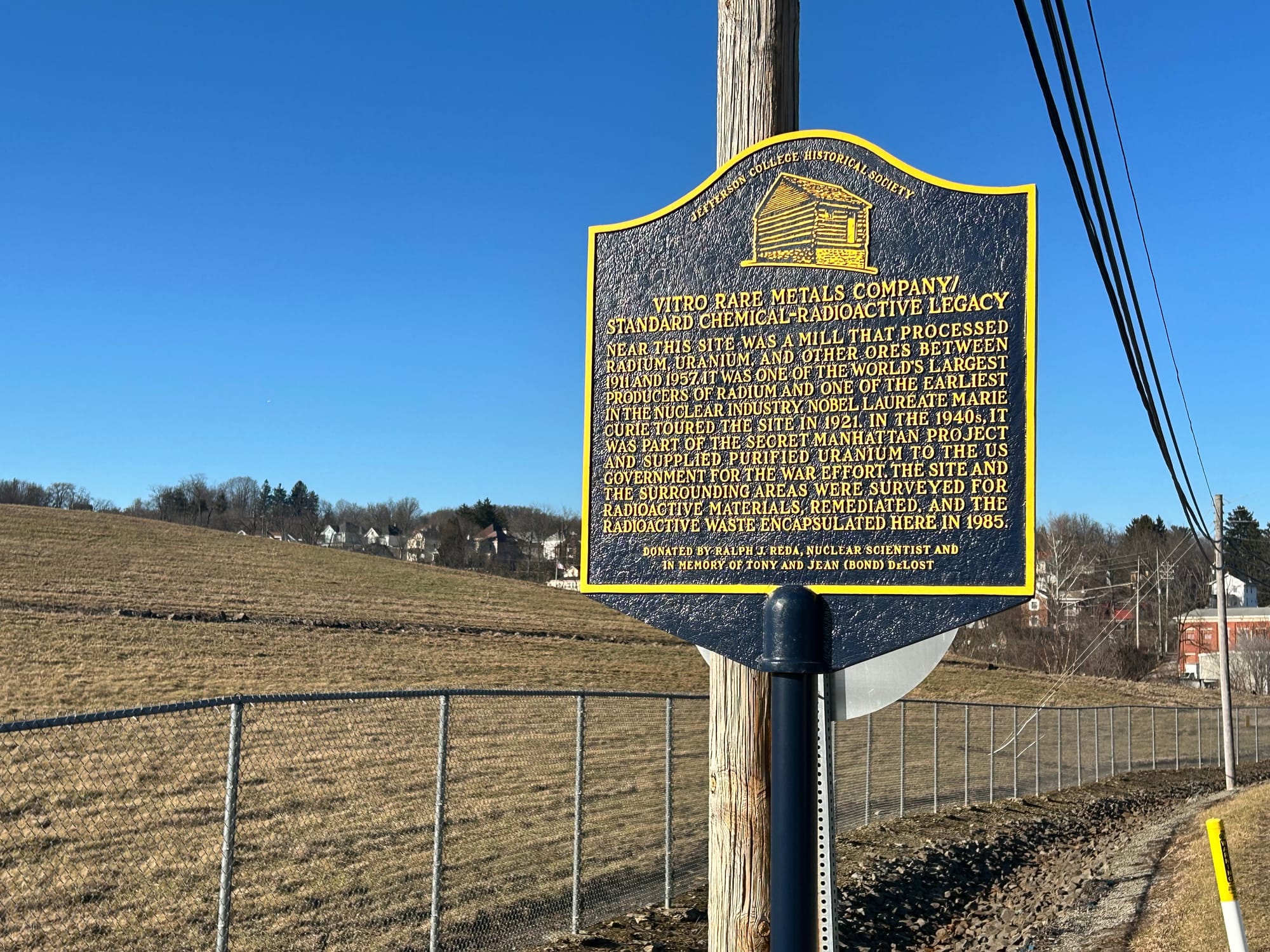
SCC began operating its Canonsburg plant in 1911, and there the carnotite ore was mixed with barium chloride in open pools to create a radium crystal. However the radium crystal (or “salt”) was formed as 1 gram per 1,000 pounds of barium chloride, and since radium and barium are elemental similar, they cannot be separated without further processing. Under a process called fractional crystallization, the radium could be extracted into a crystal form in Canonsburg (for the Flannery brothers, the byproduct of pure vanadium from this process was a boon). Then an employee named Tommie Thompson would run unshielded radium crystals on the interurban trolley to SCC’s office in the Vanadium Building in Pittsburgh, where the final crystals would be derived. The landscape of exposure to this process even in the 25-mile journey remains egregious.
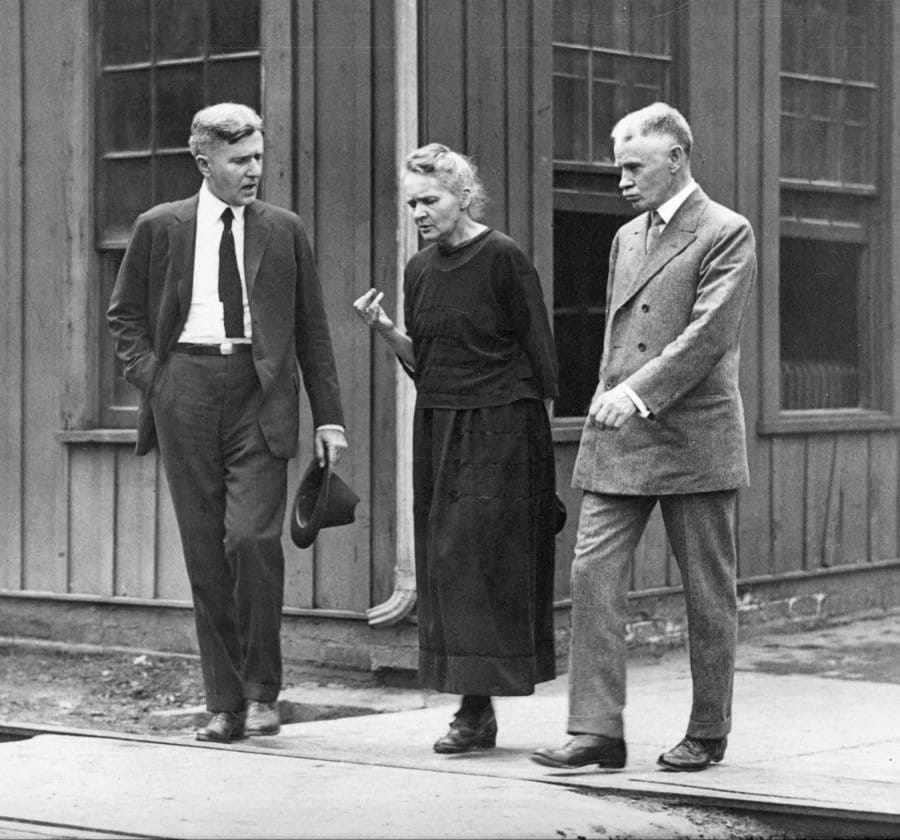
Marie Curie visited SCC’s factory in Canonsburg in 1921, the same year that the Shinkolobwe mine opened in the Congo under the control of the Belgium government. Curie already was suffering from her own exposure to radium, but spent the day in the company of several scientists and executives, some of whom would also succumb to their own rare earth exposures within the next decade. Curie came to observe the American prowess that soon would be replicated at scale by Belgium, and eventually Kelly would become a customer of imported Congolese radium. In Canonsburg, Kelly helped create contamination – extended by the factory being used by the US Army Manhattan Project for radioactive ore processing in the 1940s – that today constitutes the most radioactive ground area in a settled American city.
By 1930, though, Kelly had decamped for New York City, where he incorporated a new radium concern, Radium Chemical Corporation. His new company soon opened a dial-painting plant in Ottawa, Illinois, under the name of the Radium Dial Corporation. When workers sued that company for their debilitations, he replaced it with Luminous Processes, Inc., a false “new” company controlled exactly as before by Radium Chemical Corporation.
In Ottawa, Kelly’s company contaminated bodies and buildings. The radium permeated the workers’ and made graveyards hazardous even after they were buried. When the factories were demolished, debris was used to level a high school football field—with more debris scattered all over town. Mining itself created contamination and death on site at the origin points. Processing did the same. The supposed end of the affair, the shutdown of known hazardous plants, spread the pestilence further. A gram of radium could well poison large parts of the whole earth, if manipulated according to capitalist logic.
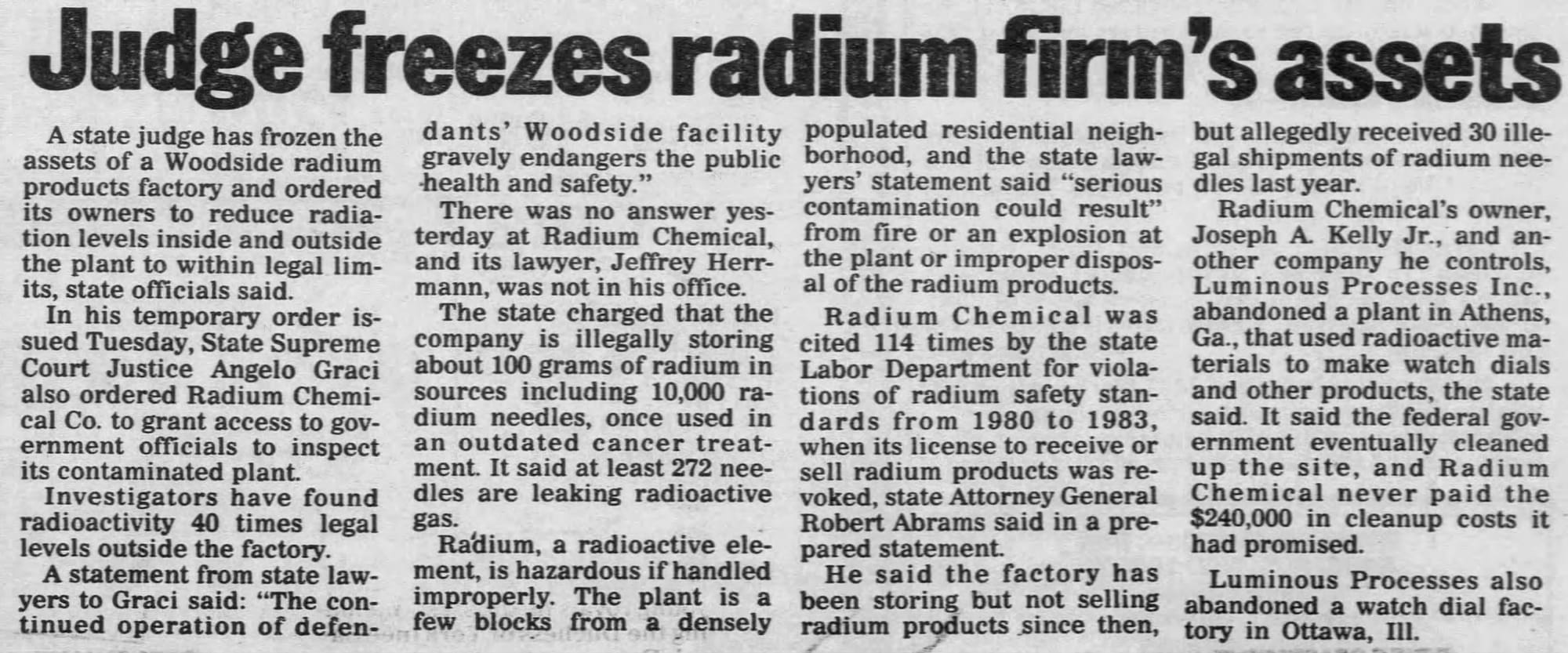
When the second Ottawa plant’s conditions became notorious and workers could not be found, Kelly’s son Joseph Kelly, Jr. moved operations to right-to-work Georgia before ultimately federal atomic energy authorities forced the plant to shut down for violating federal regulations. Kelly Jr., who had moved every last gram of radium left in Illinois down to Georgia, squirreled away the radium again in a small building on the side of a highway in Queens, New York City. In 1987, highway workers using a Geiger counter noticed a major spike in radiation, and an investigation found that Kelly had stashed his precious commodity in buckets of leaking needles – and that he was still selling radium illegally on the black market. Kelly also was moving unshielded radium between Queens and his office in the Socony-Vacuum Building on East 42ndStreet in Manhattan—one black from Grand Central Station—and his workers regularly dropped and broke glass containers on the street in both boroughs.
Extractivism may well be madness, and it literally aims to spoil all life systems. To produce one gram of radium, 500 grams of ore had to be processed using 500 grams of chemicals, 100 tons of coal and 10,000 tons of purified distilled water – all of which became the silent byproducts, discarded somewhere, that the stories about dying young women watch painters did not even consider. All of these coefficients also had to be extracted and processed to be used to make a pure gram of radium. It is possible to easily imagine that just one mineral processed to produce surplus capital could wipe out an entire planet. And the US aims to grab dozens from Venezuela alone.
China was already there, by the way. In 2016, Venezuelan President Nicolás Maduro proposed replacing his nation’s dependency on one form of extraction with another: a 50% slump in oil extraction, in part due to US imperial pressure, would be backfilled with a new rare earth mining scheme. Maduro signed the Orinoco Mining Act (Arco Minero) to declare 12% of the Orinoco region open to extraction, including within the Amazon and Canaima National Park, a UNESCO World Heritage Site. Maduro foresaw $5.5 billion of mining activity, most of which would be reaped by antisocialist elites, gangs and state-backed mafia-style operations. The tankies have yet to offer a word of justification.
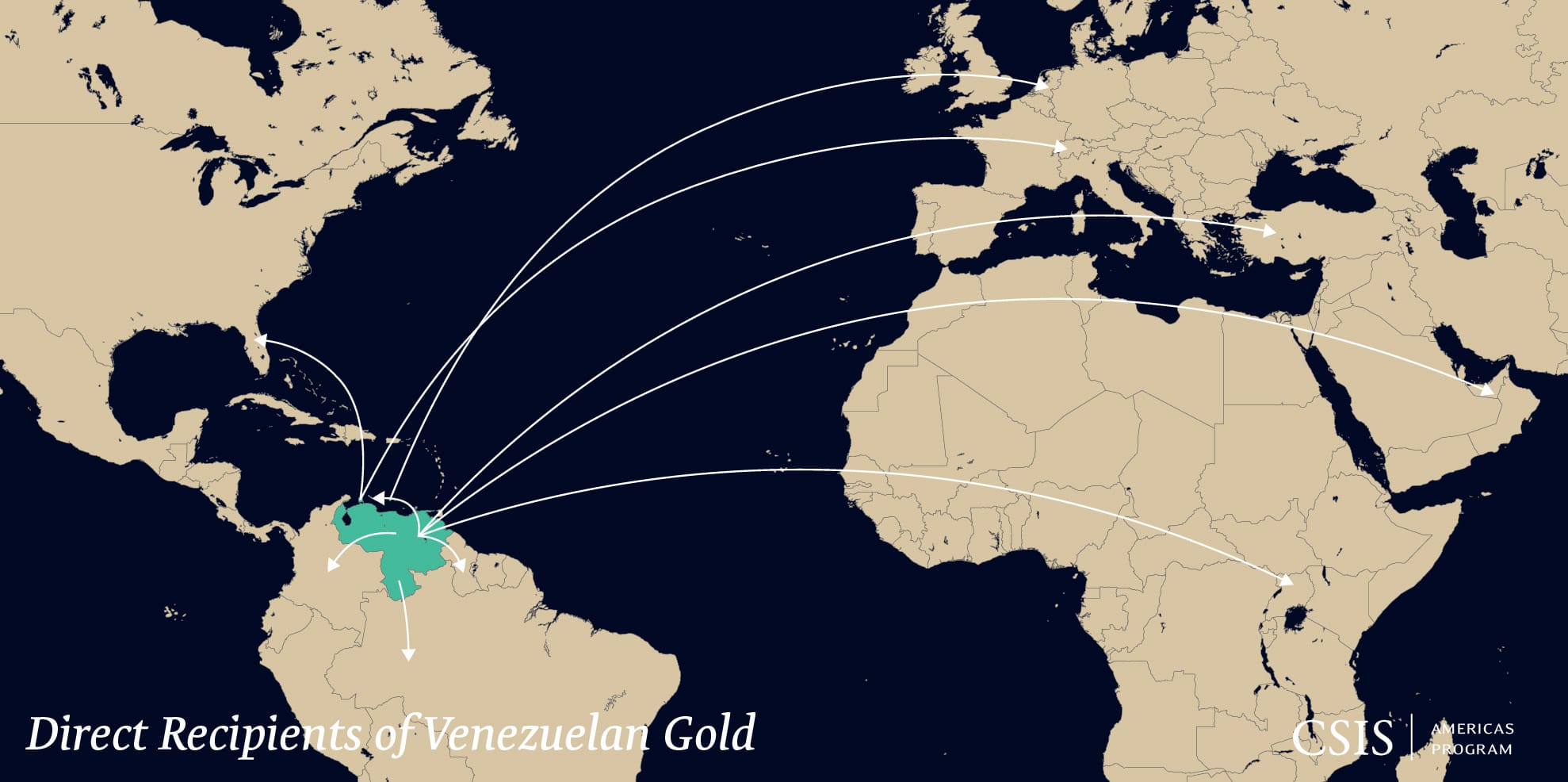
Maduro’s rare earth mining program was as awful as what Trump’s colonial hold will perpetuate. The Colombian-based National Liberation Army (ELN) terrorized the peoples of the Orinoco, Amazonas and Bolivar provinces in 2023 in a campaign of extracting rare earth minerals for sale to Chinese enterprises. Along the way, they deforested thousands of acres to prepare sites of mining. The ELN also trafficked female sex workers to their miners and their supervisors. Much of the gold was fenced through Colombia, Brazil and Guyana. Despite Maduro’s rhetoric (and that of his predecessor Hugo Chavez, who also explored opening the rare earth mining), the wealth generated by the mining did not benefit the workers of Venezuela. Illegal mining in Canaima and Yapacana national parks despoiled acres of protected wilderness. The laborers procured to work in the rare earth mines without hazard protection, and the sex workers mobilized by thugs to provide some small benefit to the oppressed workers destroying their home lands, all suffered.
Minerals. Bodies. Land. Systems of survival.
Extraction never ends, the world does. With extraction, there is no after. There is neither an end of history. The chains of alteration of the planet continue long after a mine is exhausted, and as long as the same systems of making capital – the same states that guarantee markets – govern the sites of removal, contamination and waste, there will be compound extraction.
As for boomerang theory—the idea that the colonies are the extremities in which oppressive systems as well as resistance models develop—perhaps we are overlooking the peripheries inside the colonial nations, and that nation states often begin as colonial projects themselves. Like the USA. Paradox Valley came before Shinkolobwe, after all.
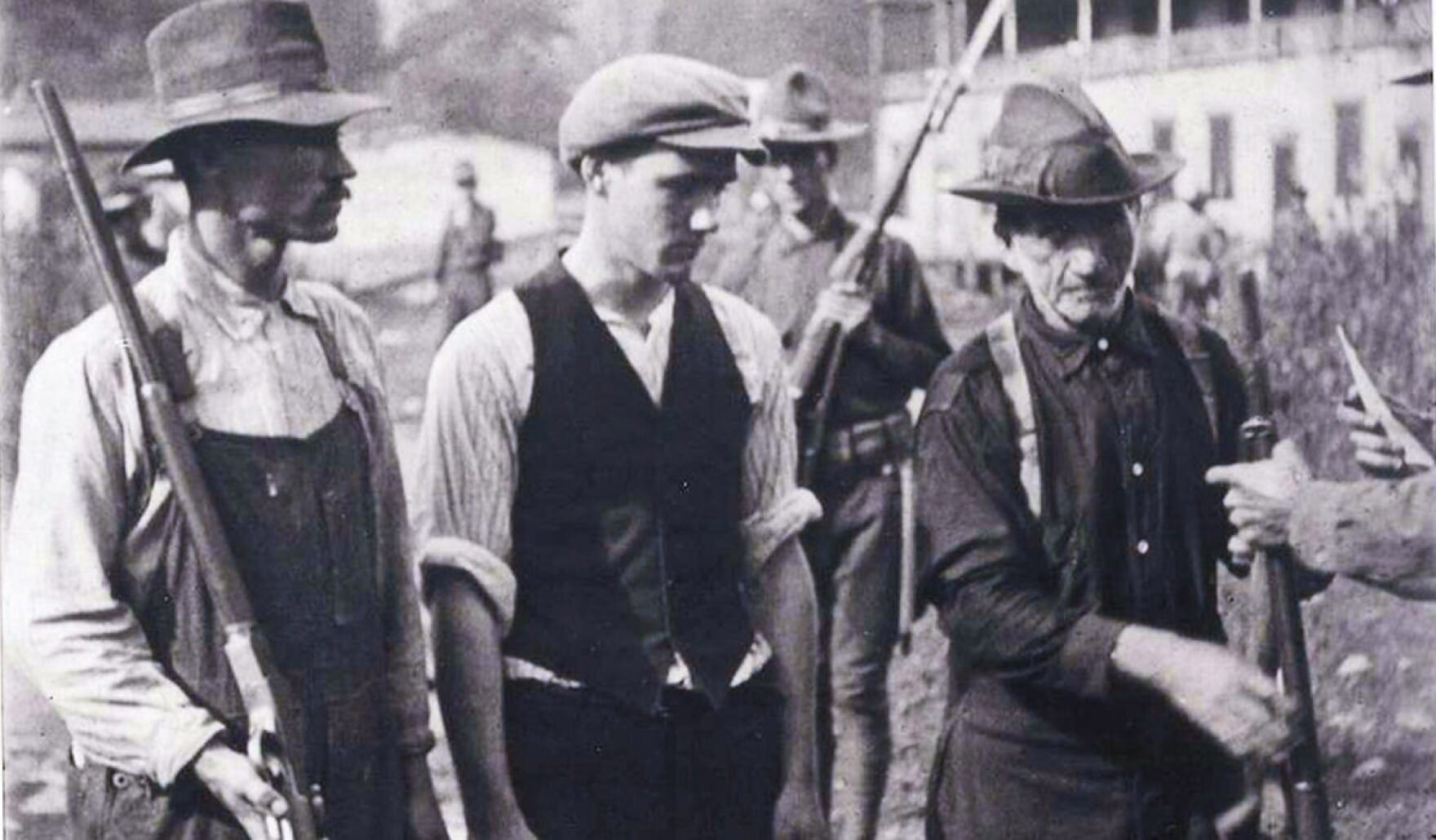
In Mingo County, West Virginia, miners bravely fought for their right to unionize at Matewan, Blair Mountain and other locations around 1921 – the same year that radium’s commodity value impressed the New York Times reporter. Oppressed by company guns and the local authorities supposedly constituting “the law,” they turned to violent uprising. In the long run, their violence was successful in securing the right to collectively bargain and improve working conditions as well as their own wealth.
Yet they did not overthrow the violence that had rendered them into things and not humans in the first place—the political economy of extraction itself. What happened eventually was that the mines closed due to exhausting coal seams, corporate consolidation, the opening of non-union coalfields in Wyoming and the rise of manufacturing in China which would supply its own coal.
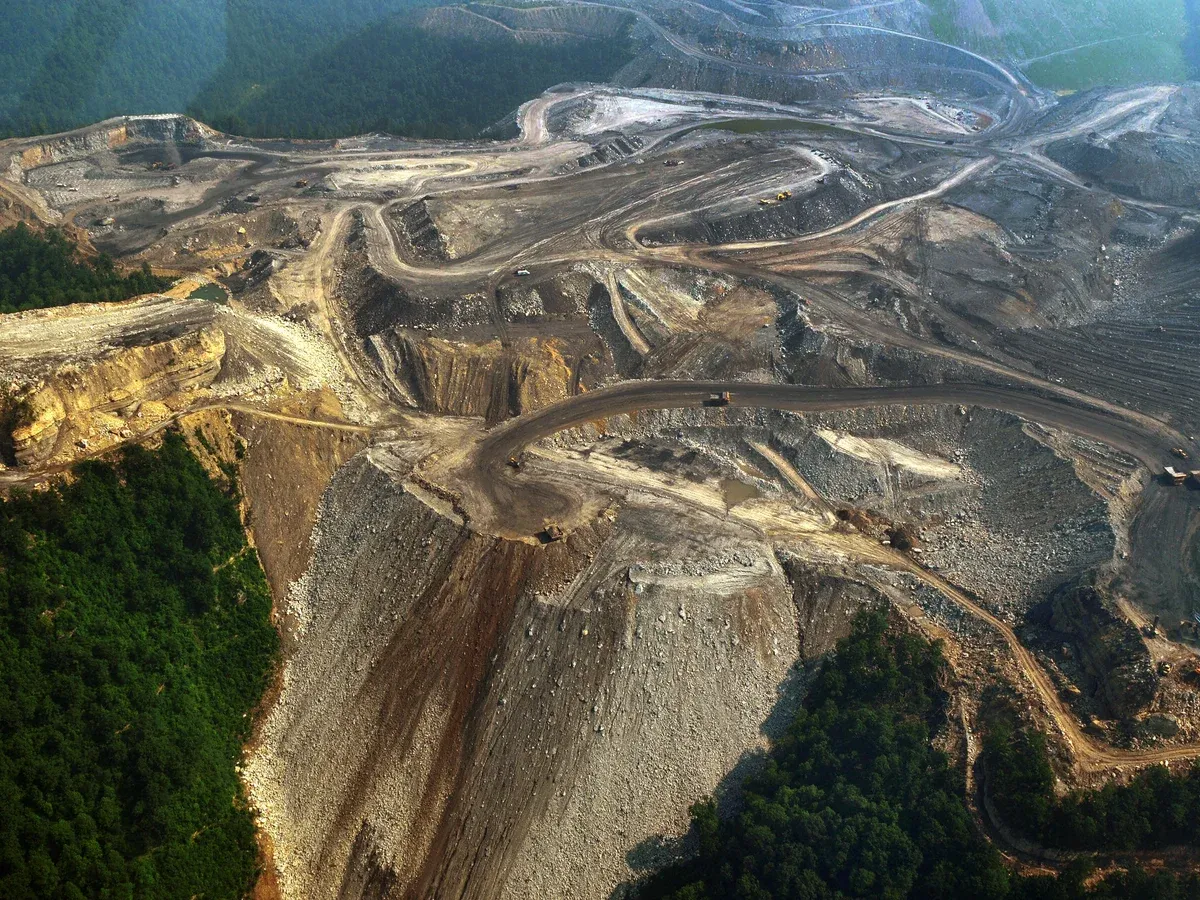
When the West Virginia coal mines closed up, the coal magnates tried one last round of squeezing the commodity value out of the land through mountaintop removal. A major blast and the mountains were destroyed in minutes. The coal was hauled away relatively quickly, and the tailings were funneled back into the mountains along with all of the contaminated water used in the process – joining tailings and bad water already present across the mines. Tailings sent dust into lungs, and the water reached drinking water sources.
Bodies. Land. Minerals.
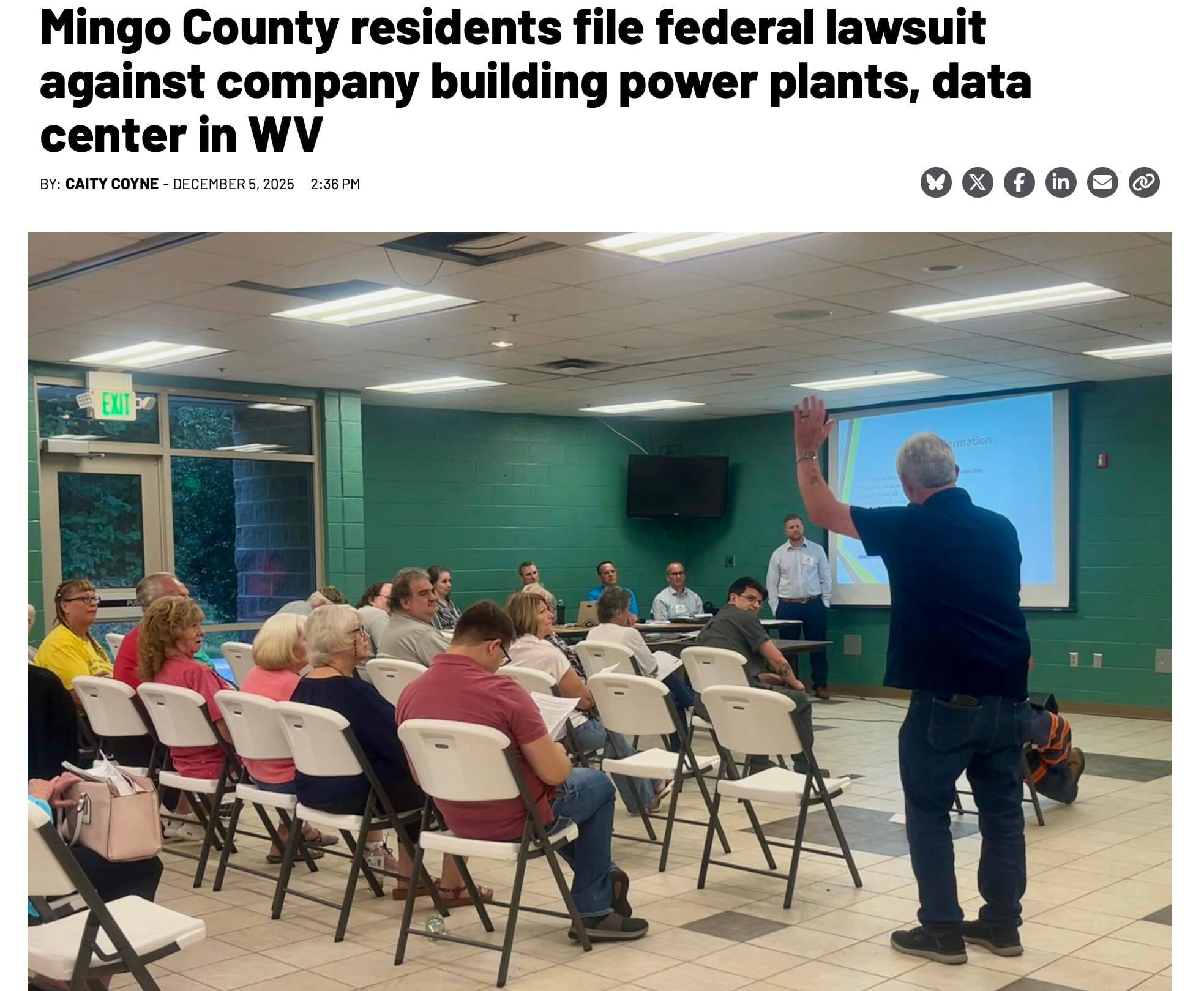
Now the Governor of West Virginia wants to jump on the military-technical acceleration dependent on the rare earth minerals so eagerly sought by the state – data centers to support the expansion of artificial intelligence. And he has lured a data center developer straight back to Mingo County. That data center will require clean water that barely exists for human consumption, and will spit out more contaminated byproducts through wastewater and fossil fuel consumption.
Just in the last few days, social media figure Western Water Girl posted an Instagram story chastising people who are fighting data center water consumption, rightly pointing out that intensive agriculture and other uses consume more water (at least in her native West), but weirdly chastising people fighting data centers by comparing their positions to Vance’s “people eating cats” anti-immigrant fascist narratives.
If even the supposed environmentalist influencers (who benefit a lot from TikTok AI algorithms pushing their content) are chastising people just trying to survive for not trying to survive in the right way, why are those people not already agitating for a revolutionary overthrow of power in the US?
Should every resident with a gun go home and get it, as in the famous shoot-out in Matewan over a century prior?
Rosa Luxembourg wrote beautifully that Karl Marx provided the first historical analysis that made it possible to envision the collapse of civilization as a necessary and productive step toward liberation. The quest for rare earth minerals could trigger doomsday in nuclear war. More likely, perhaps, is that it will quietly kill the earth and its survival systems through political apathy, dubious tone-policing and outight oppression.
Where are the accelerationists today? Ten years ago, the end of work. Hurrah. Now, the end of life itself. No way. Let the oligarchs choke on their grams of precious commodities so that we may live.